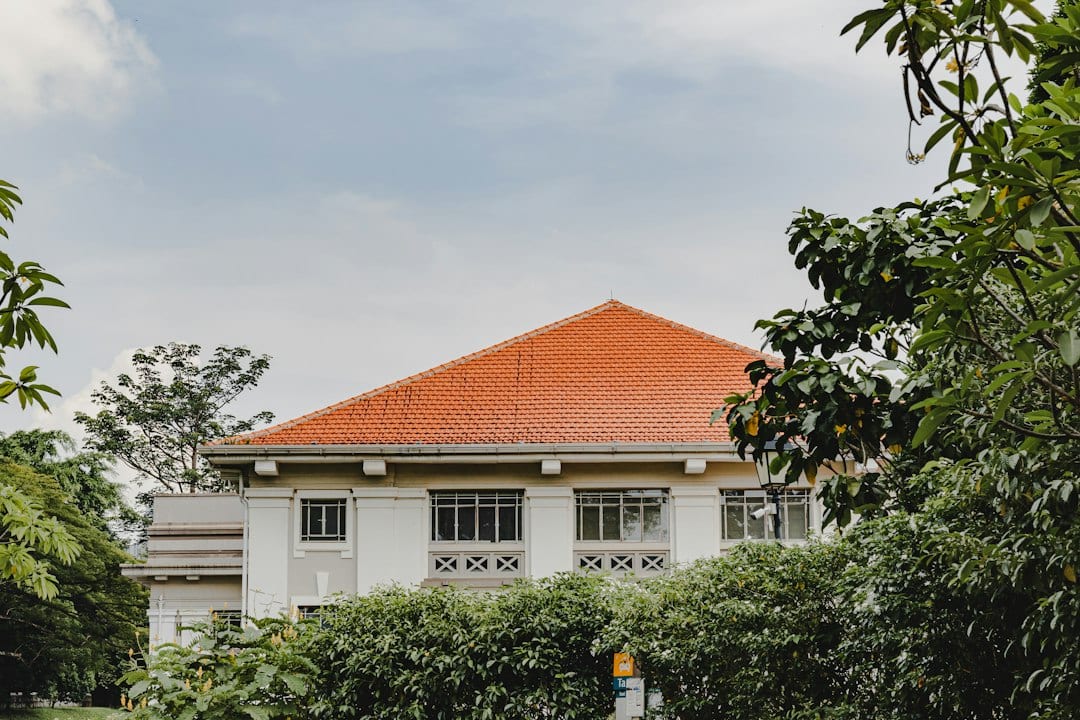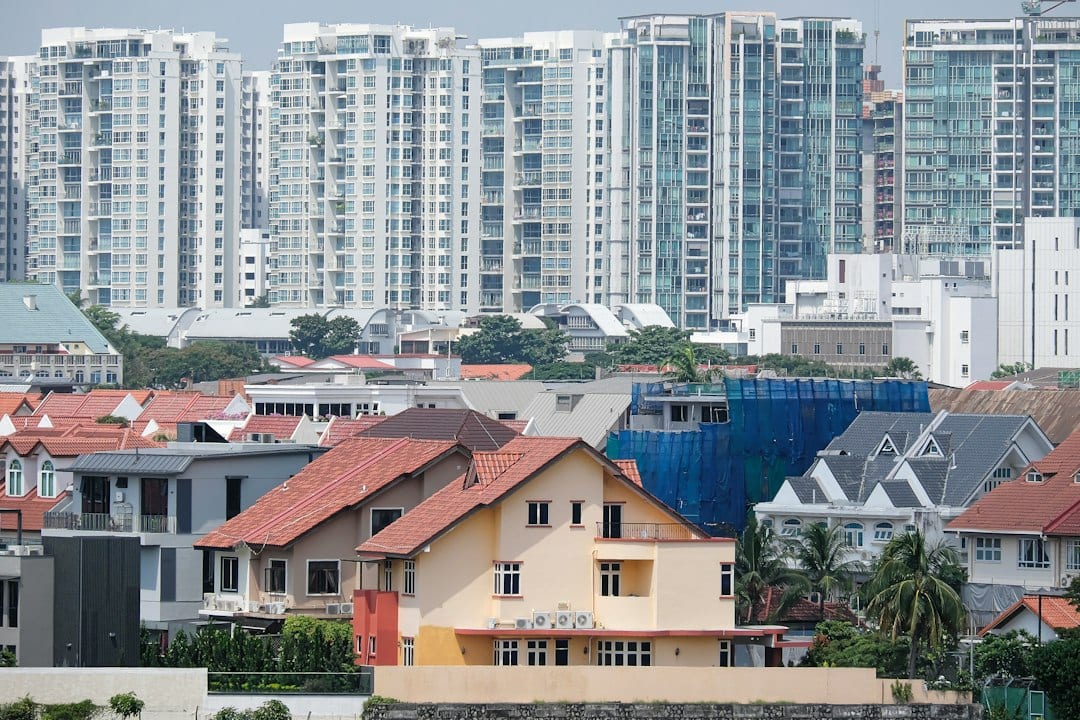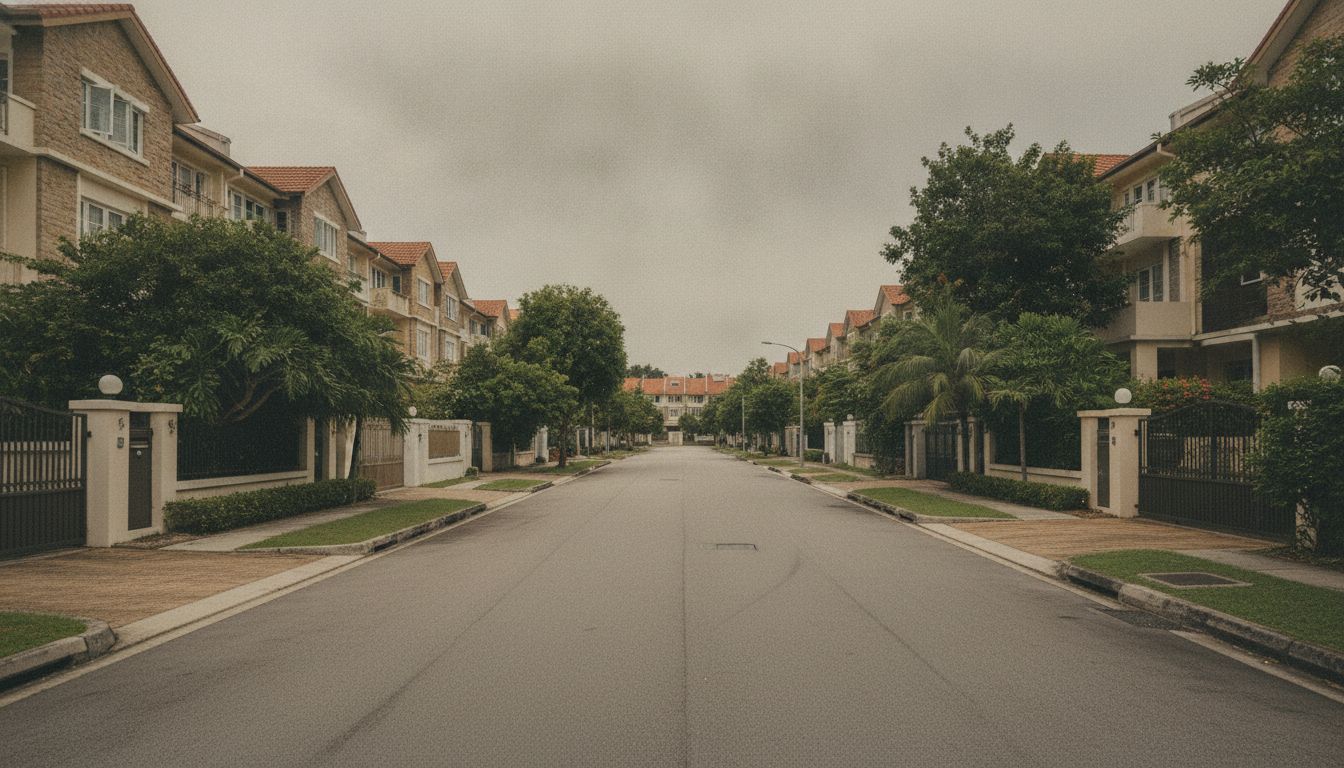
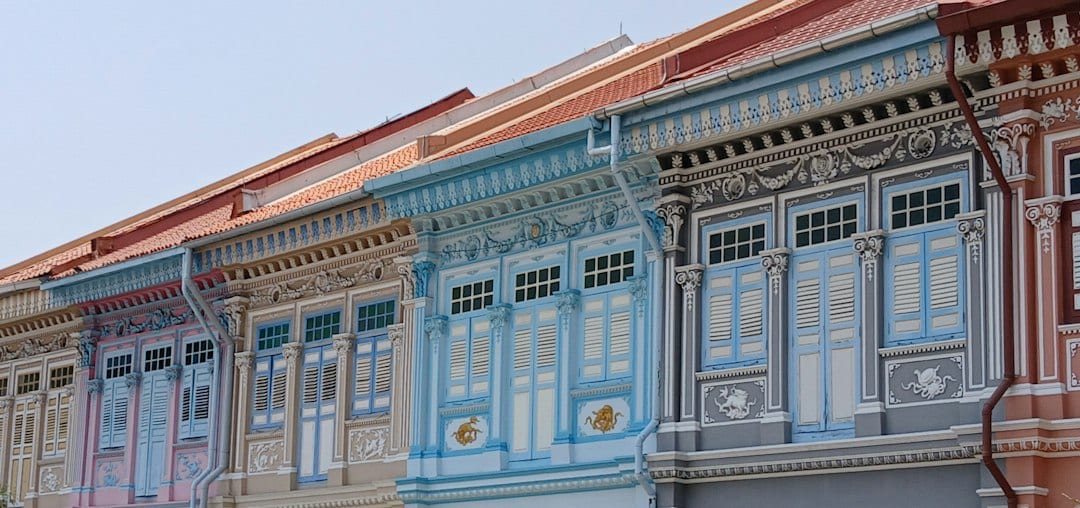
Wide editorial photograph of a Kovan District 19 landed housing street

Kovan & District 19 Landed Guide

Landed Types Explained

Terrace, corner terrace, semi-D, detached or cluster house — understand what each means before you buy or sell in Kovan.

At a glance

Compare Singapore landed housing types

A quick side-by-side view of plot size, privacy, price tier and who each type tends to suit around Kovan and District 19.

Landed Type Typical Plot Size / Built Form Privacy & Noise Level Indicative Price Tier in Kovan Best For
Terrace House 1,000–1,400 sq ft land; 2–3 storeys; 2 shared party walls Moderate — neighbours on both sides Entry to mid-range First-time landed buyers, young families
Corner Terrace 1,300–1,800 sq ft land; end-of-row; 1 shared wall; side plot Better — extra windows, side gate & parking Mid-range premium Buyers wanting light, space and rebuild flexibility
Semi-Detached (Semi-D) 2,000–2,800 sq ft land; 1 shared party wall; more frontage Good — only one adjoining neighbour Mid to upper-mid Condominium upgraders, larger families
Detached / Bungalow 4,000+ sq ft land; no shared walls; greatest design freedom Maximum — standalone Upper tier Buyers seeking privacy, space and custom rebuilds
Cluster House Varies; strata-titled with shared facilities & MCST Good within estate; governed by strata by-laws Mid to upper-mid Buyers wanting facilities with lower personal upkeep

Figures are indicative placeholders based on general District 19 patterns. Actual prices vary by street, tenure, land size, condition and transaction date. Contact CK Yong for current Kovan comparables.

The five main types

Understanding each landed home type

What the label means, how it affects daily living, and what to look for around Kovan and District 19.

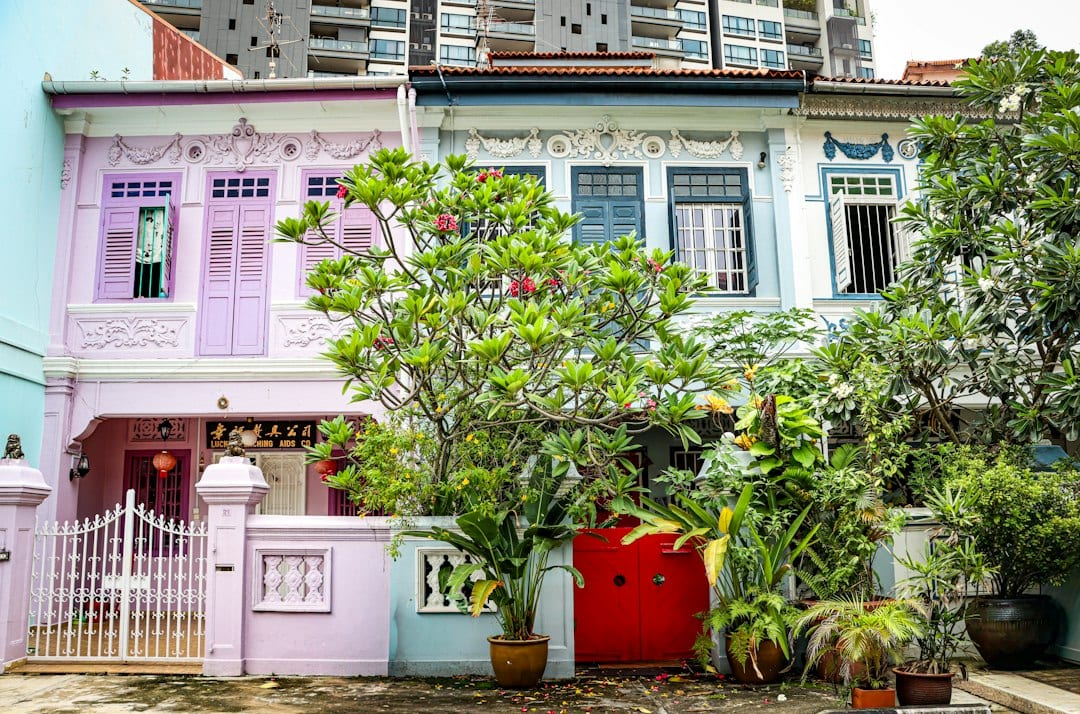
Row of Singapore terrace houses

Terrace House

A terrace house is part of a row of at least three houses built side by side, each sharing two party walls with its neighbours (except the end units). Under URA planning guidelines, terrace houses form the most common type of landed housing in Singapore.

Typical layout

Usually two to three storeys on a compact plot, with living spaces stacked vertically. Light and ventilation come mainly from the front and rear.

Pros and cons

  • Pros: Most accessible entry point into landed living; efficient use of land; strong resale demand.
  • Cons: Less privacy with neighbours on both sides; limited side windows; parking often at the front.

In Kovan

Terraces are common in mature estate pockets around Kovan, Hougang and Serangoon Gardens, often within walking distance of schools and the MRT.
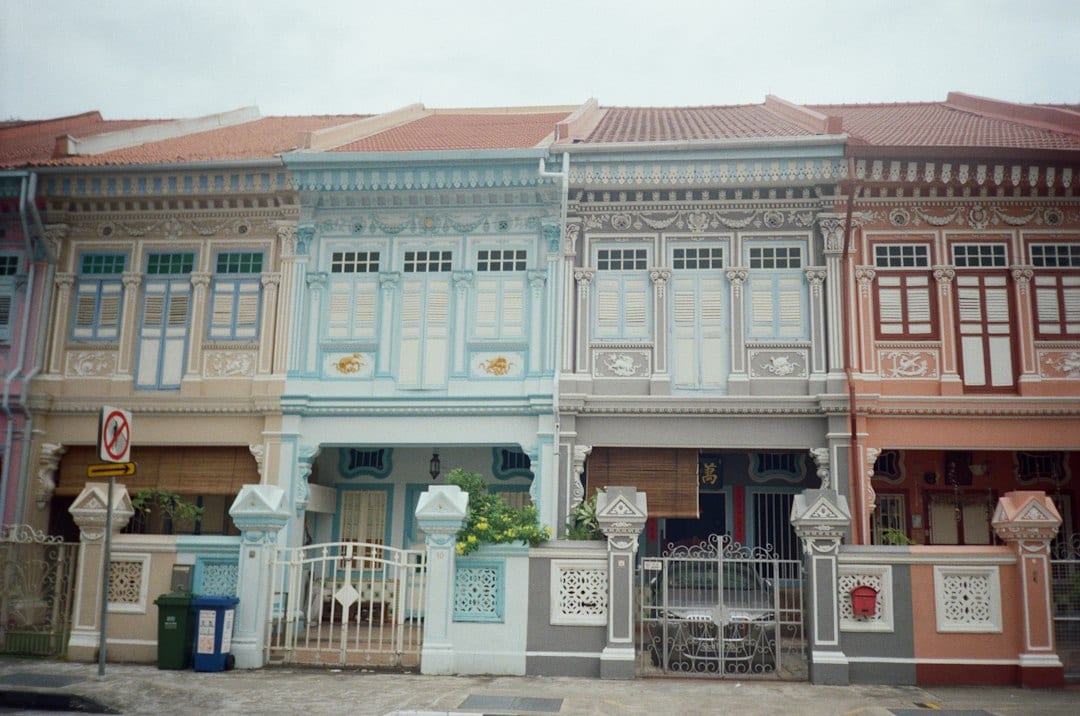
First landed purchase Young families
Singapore corner terrace end-lot house

Corner Terrace

A corner terrace sits at the end of a row, sharing only one party wall. The extra side plot gives more land, additional windows and often the option of a side gate or side parking.

Why the premium?

Corner terraces typically trade at a premium over intermediate terraces because of the larger footprint, better natural light and greater flexibility for additions & alterations (A&A) or a future rebuild.

Rebuild / A&A potential

The side setback can allow bigger floor plates, better car porch layouts and more garden space. Always verify the site’s envelope control, road buffer and URA guidelines before committing to plans.

In Kovan

Corner terraces in District 19 are sought after by buyers who want an intermediate step between a standard terrace and a semi-D.

More light & air Rebuild flexibility
Singapore semi-detached house

Semi-Detached House

A semi-detached house is one of a pair of houses joined by a single common party wall. It offers a middle ground between the density of a terrace and the exclusivity of a detached home.

Typical plot sizes and form

Semi-D plots in District 19 commonly range from roughly 2,000 to 2,800 sq ft, with built forms that can stretch across a wider frontage than a terrace. Actual gross floor area depends on plot ratio, site coverage and storey height rules.

Why upgraders choose it

For many condominium upgraders, a semi-D delivers a meaningful jump in privacy and space without the maintenance footprint or price tier of a bungalow. The wider frontage also supports more open plan layouts.

In Kovan

Semi-Ds are popular in Kovan, Serangoon Gardens and surrounding landed enclaves among buyers moving up from condominiums in District 19.

Condo upgraders Wider frontage
Singapore detached bungalow house

Detached House / Bungalow

A detached house, commonly called a bungalow, stands alone with no shared walls. It offers the greatest privacy, the largest typical land sizes and the widest scope for custom architecture.

Maximum privacy and flexibility

With setbacks on all sides, bungalows can be designed around courtyards, pools, gardens and multi-generational layouts. Minimum plot sizes apply in designated Good Class Bungalow Areas (GCBAs), but non-GCB detached homes can be found on smaller plots elsewhere.

Price and upkeep

Detached homes sit in the upper price tier. Maintenance, security and utility costs scale with land size, so buyers should budget beyond the purchase price.

Rebuild sensitivity

Rebuilding a bungalow in a landed estate involves URA envelope control, storey height, greenery replacement and conservation checks if applicable. CK Yong can connect you with architects and planners familiar with District 19 estates.

Maximum privacy Custom design
Singapore cluster house with shared facilities

Cluster House

Cluster housing is strata-titled landed housing. You own your unit and hold a strata title, while common areas, facilities and estate management are run by a Management Corporation Strata Title (MCST).

How it differs from pure landed

Unlike a terrace or bungalow, you do not own the land beneath the house outright. External alterations, façade changes and even pets may be subject to MCST by-laws.

Pros and cons

  • Pros: Shared facilities such as pools, gyms and security; lower personal maintenance; often gated.
  • Cons: Monthly maintenance fees; restrictions on external changes; resale pool may differ from pure landed buyers.

Tenure

Cluster homes can be freehold, 999-year leasehold or 99-year leasehold. The tenure, facilities and unit size all affect value, so review the strata title and maintenance history carefully.

Facilities & security Strata title
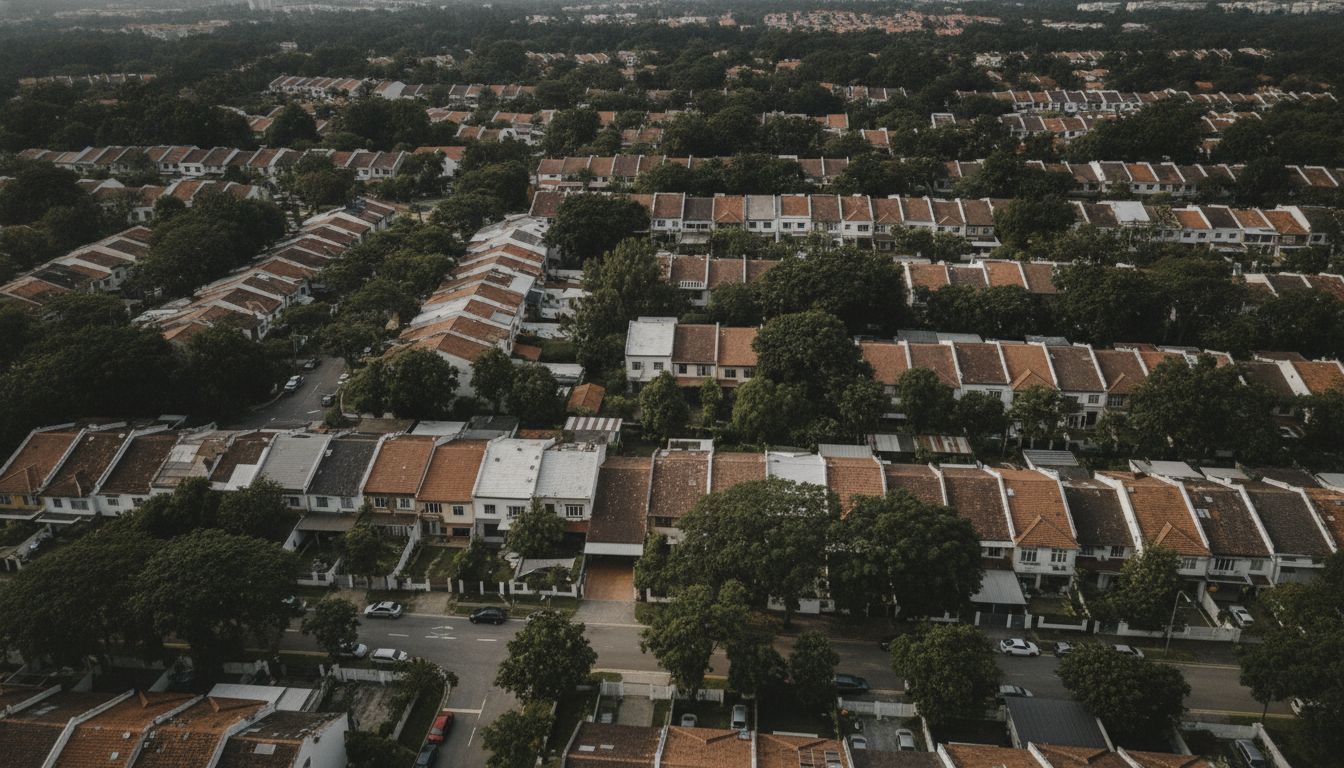
Aerial editorial view of a Kovan landed housing estate

Value drivers

How landed type affects value in Kovan

Price is not just about the label. In Kovan and District 19, value is shaped by the interaction of housing type, plot size, frontage, tenure, condition and the specific street. A corner terrace on a wide plot can outperform a small semi-D, while a well-located cluster house can rival a terrace on price per square foot.

Verified recent transactions and comparable sales analysis are essential. URA transaction data and caveats provide the starting point, but street-level knowledge fills in the gaps.

Landed Type Indicative Land PSF (illustrative only) Key Value Levers
Terrace $1,000–$1,400 PSF Plot depth, condition, proximity to MRT/schools
Corner Terrace $1,100–$1,600 PSF Side plot width, rebuild potential, frontage
Semi-Detached $900–$1,300 PSF Plot ratio achieved, frontage, house condition
Detached / Bungalow $700–$1,100 PSF Absolute land size, exclusivity, rebuilding scope
Cluster House $800–$1,200 PSF Tenure, facilities, maintenance, unit size

Illustrative land PSF ranges only, as of Q1 2025, based on general District 19 patterns. Source: URA transaction data and caveats. Actual values vary by street and transaction date. Contact CK Yong for a current comparable-market analysis.

Decision helper

Which landed type is right for you?

A few questions to narrow the field before you view homes.

1

Do you want strata facilities or full landed control?

If facilities and security matter, consider a cluster house. If you want freedom to rebuild or alter the exterior, choose a pure landed type.

2

Is a rebuild or major A&A part of your plan?

Corner terraces, semi-Ds and detached homes usually offer more flexibility than intermediate terraces or cluster units.

3

What is your budget range?

Terraces are the common entry point, while detached homes and large semi-Ds sit at the upper end. Remember to include stamp duty, renovation and holding costs.

4

How important is privacy versus convenience?

Detached homes offer maximum privacy. Terraces and cluster homes put you closer to neighbours but often closer to amenities.

Seller's note

Selling your Kovan landed home?

The type of property you own affects pricing strategy, buyer pool and marketing. A corner terrace, for example, may appeal to rebuild buyers, while a cluster home may attract former condominium owners who value facilities. CK Yong positions each listing to reach the right audience.

View the Kovan landed selling guide →

Common questions

Landed types FAQ

What is the difference between a terrace and a corner terrace?

A terrace house shares two party walls with neighbours (one on each side), while a corner terrace sits at the end of a row and shares only one. The corner position usually comes with a larger side plot, extra windows, possible side parking and more flexibility for additions or a rebuild.

Is a cluster house considered landed property?

A cluster house is strata-titled landed housing. You own the unit but not the land beneath it outright, and the estate is managed by an MCST. It offers a landed lifestyle with shared facilities, but it is not pure landed ownership. Tenure, by-laws and monthly maintenance fees vary by development.

Can I rebuild any landed home in Kovan?

Not automatically. Rebuilding is subject to URA planning parameters such as plot ratio, site coverage, storey height, envelope control and road buffers. Some properties may also be affected by conservation guidelines or restrictive covenants. Always verify with URA and engage a qualified architect before purchasing for redevelopment.

Does the type of landed home affect stamp duty or CPF usage?

Stamp duty rates are based on purchase price and buyer profile, not housing type. CPF usage for landed property is generally allowed for properties with a remaining lease of at least 30 years and where the lease can cover the youngest buyer until age 95, but limits apply. Cluster houses may have additional financing considerations due to their strata title. Rules change, so verify with IRAS, CPF Board and your banker or solicitor.

Regulations change. Please verify with URA, HDB, CPF Board, IRAS or a qualified professional for advice tailored to your situation.

Next step

Not Sure Which Landed Type Suits You?

Speak with CK Yong, Huttons Asia Kovan landed specialist, for street-by-street advice and a no-obligation valuation.

By submitting, you agree to be contacted about your Kovan landed property enquiry. We will not share your details with third parties.