What to Look For
Check TOP or completion status, the builder’s track record, final gross floor area, car-porch configuration and whether setbacks were complied with before you exercise.
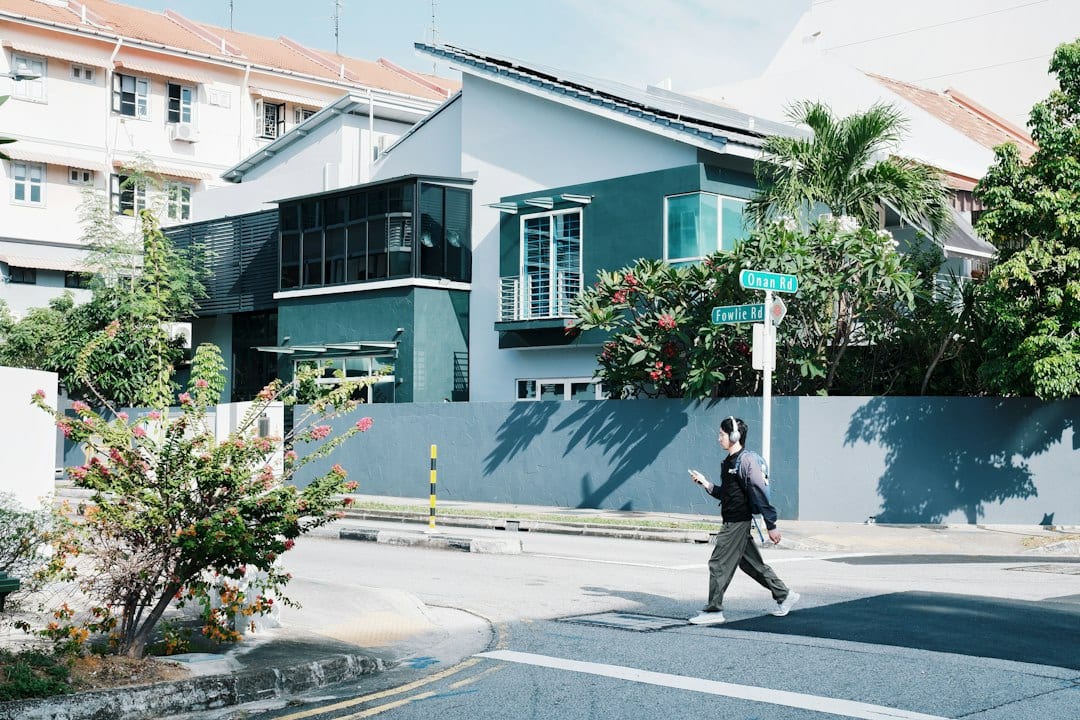
Explore rebuild, A&A and brand-new landed options in Kovan and District 19 — with clear planning rules, example cost ranges and realistic timelines.
CK Yong | Huttons Asia | CEA R071319IKovan and the surrounding District 19 estates have long been favoured by families who want landed living without sacrificing connectivity. Mature tree-lined streets, established schools and quick access to Kovan MRT give these plots lasting appeal — and many older terrace, corner-terrace and semi-detached homes now offer genuine rebuild or major A&A potential.
If you are weighing a full tear-down against a move-in-ready brand-new home, the decision hinges on more than square footage. Zoning, plot ratio, setback rules, soil conditions and comparables all shape what is feasible and what it is worth. CK Yong works with owners and buyers on the ground in Kovan, connecting you with architects, builders and transaction data before you commit.
Explore Kovan Estate Guides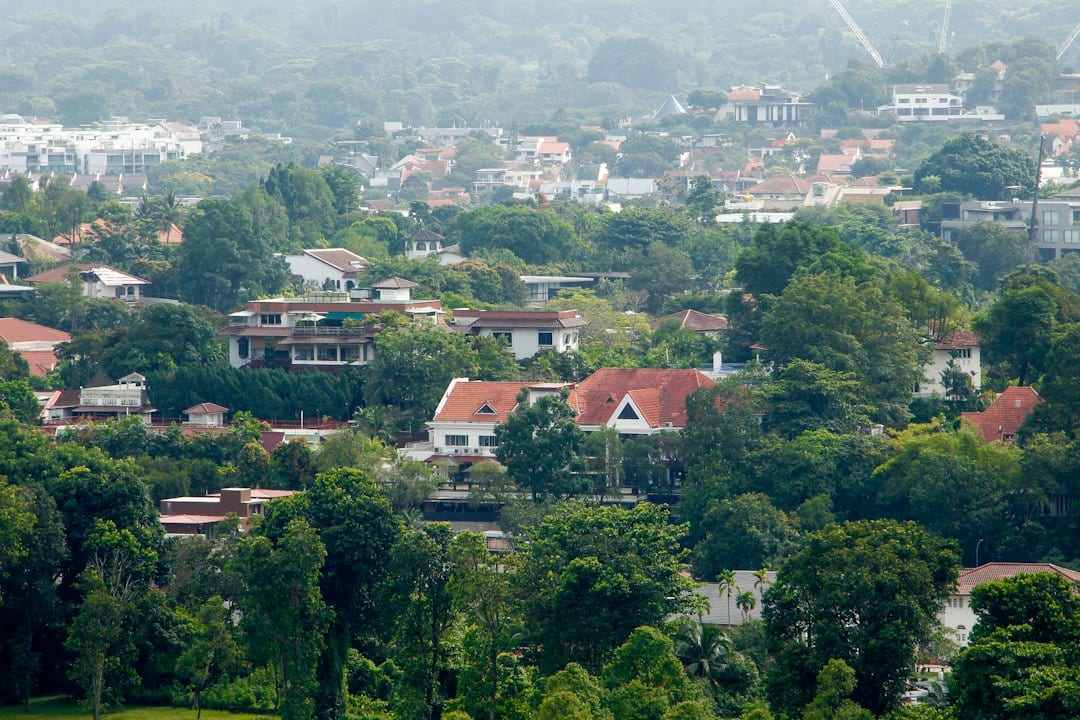
Both routes can transform a tired property, but the right choice depends on the existing structure, your budget and how much design freedom you need. The figures below are example ranges for illustration only.
| Factor | Rebuild | Additions & Alterations (A&A) |
|---|---|---|
| Definition | Demolish the existing house and construct a new one on the same plot. | Retain the main structural frame while altering or adding to the existing house. |
| Typical project duration | 12–18 months (design to move-in) | 4–8 months (depending on scale) |
| Construction cost (example) | $320–$450 psf of built-up area | $280–$400 psf of affected area |
| Design freedom | Full, subject to URA planning controls and site constraints. | Limited by the existing envelope, foundations and structural grid. |
| Suitability | Older homes, major layout changes or compromised foundations. | Newer homes needing extra rooms, a refreshed facade or modest extensions. |
| Planning triggers | Full URA and BCA approvals generally required. | May be exempt if works stay within permitted limits; otherwise approvals apply. |
Always verify exact allowances with URA Development Control and a qualified architect before committing. Rules and exemption thresholds change. Source references: URA Development Control guidelines and BCA building regulations, verified as of Q4 2026.
Not every buyer wants to manage a build. A brand-new terrace, corner terrace, semi-D or detached home that has already obtained TOP or is near completion lets you inspect finishes, verify floor plans and move in faster.
Check TOP or completion status, the builder’s track record, final gross floor area, car-porch configuration and whether setbacks were complied with before you exercise.
We pull recent transaction history and nearby comparables so you can see whether the asking price aligns with land PSF and finished-built-up values in the same estate.
Under-construction purchases usually follow a progressive payment schedule; completed homes use a normal mortgage. Speak to your bank or financial institution for exact eligibility.
Important: CK Yong is a property agent, not a licensed financial adviser. Financing decisions should be confirmed with a bank, mortgage specialist or qualified financial adviser.
A successful rebuild starts with a clear understanding of what the plot can legally become. These summaries are based on current guidelines; always confirm the latest position with URA and your architect.
Landed housing zones are governed by the URA Master Plan, which sets the Gross Plot Ratio for each parcel. Rebuilds must stay within the allowable GPR and any site-specific planning parameters. Source: URA Master Plan 2019 and subsequent amendments, as of Q4 2026.
Different landed zones permit different maximum storey heights — commonly 2-storey, 2.5-storey or 3-storey where applicable. The exact height is determined by the zone and any street-block controls. Source: URA Development Control Guidelines.
Front setbacks, side and rear setbacks, and road buffer distances vary by landed housing zone and road category. These dictate how much of the plot can be built on. Source: URA Development Control Guidelines.
Some streets or blocks have envelope or street-block controls to maintain a uniform streetscape. These guidelines limit overall building form, roof shape and facade treatments. Source: URA Development Control Guidelines.
Singapore citizens can purchase landed residential property. Singapore Permanent Residents may purchase strata landed housing in approved condominium developments. Foreigners are generally restricted from buying landed housing. Source: Singapore Land Authority (SLA) and URA.
A typical workflow includes Outline Plan / Provisional Permission, Development Control clearance, Building Plan approval through CORENET, and finally TOP or CSC before occupation. Timeline varies by project complexity and agency workload. Source: URA and BCA, Q4 2026.
Disclaimer: Planning rules change. Always confirm the latest requirements with URA, BCA, your qualified architect and your lawyer before purchase or commencement of works.
The numbers below are indicative examples only. Final costs depend on plot size, design complexity, soil conditions, finish specifications, contractor selection and market rates at the time of tender.
| Cost Item | Example Range |
|---|---|
| Landed rebuild construction cost | $320–$450 psf of built-up area |
| A&A construction cost | $280–$400 psf of affected area |
| Professional fees (architect, PE/QP, M&E) | Architect 5–8% · PE/QP 1.5–3% · M&E 2–4% |
| Statutory charges & connection fees | $15,000–$40,000 example range |
| Contingency reserve | 10–15% of total budget |
4–8 months for schematic design, consultant appointments and URA/BCA clearances.
1–2 months to shortlist contractors, review bids and appoint a builder.
8–16 months on site. A&A projects tend to sit at the lower end; full rebuilds at the upper end.
1–3 months for defects-liability rectification, finishes and move-in preparation.
Figures are indicative. Final costs depend on plot size, design, soil conditions, contractor selection and market rates at the time of tender.
From first site visit to final marketing or sourcing, CK Yong stays focused on the numbers and feasibility that matter in Kovan and District 19.
Walk the plot, assess orientation, envelope potential and immediate comparables on the street.
Review recent sale and rental data plus land PSF benchmarks for similar Kovan landed properties.
Introduce you to trusted architects, builders and consultants. No kickbacks — independent advice.
High-level planning feasibility, timeline and cost guidance before you commit to a purchase or build.
Marketing or sourcing plan tailored to whether you are selling, rebuilding or buying brand-new.
A selection of architectural directions that owners in Kovan and District 19 often consider. All images are illustrative examples only and are not specific CK Yong listings.
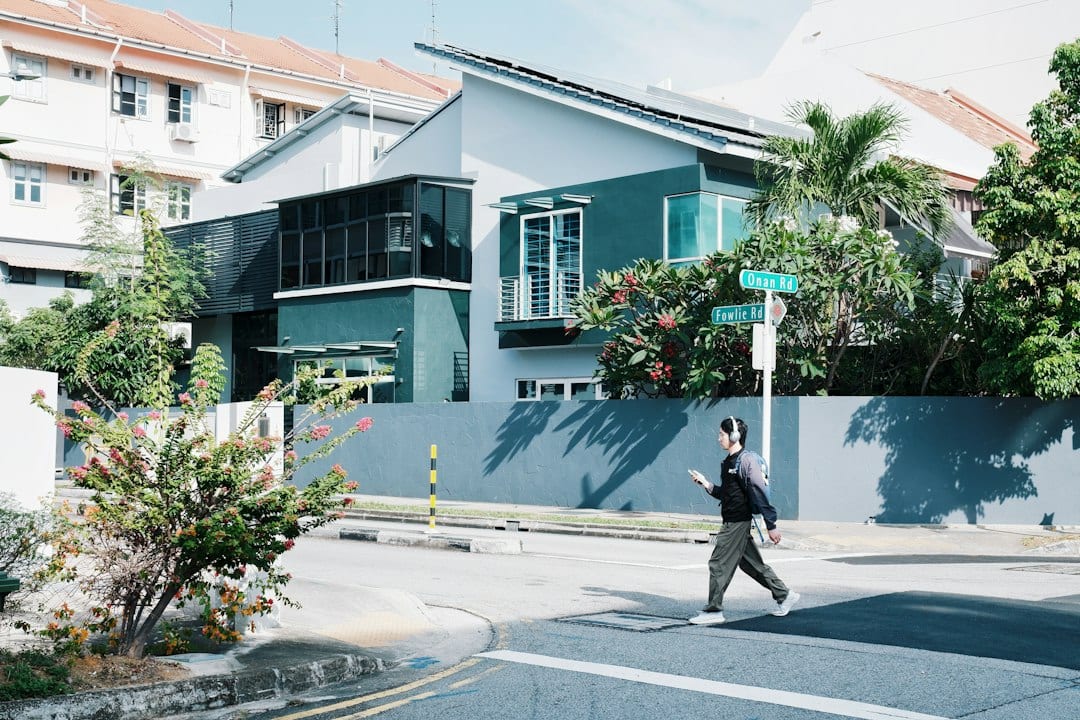
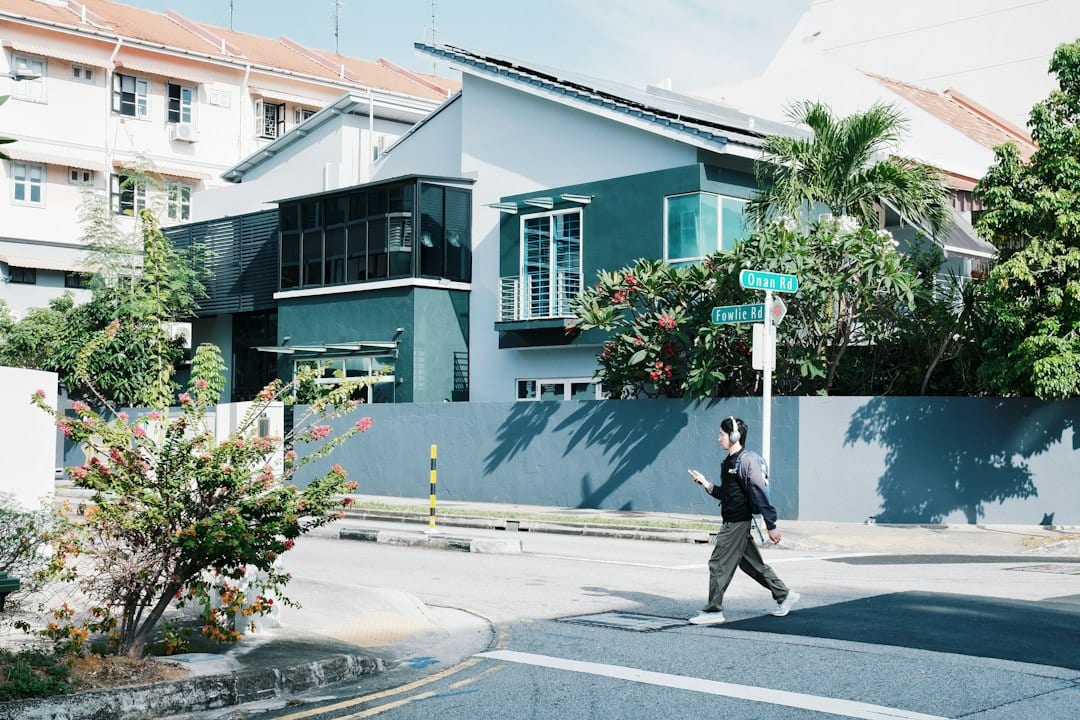
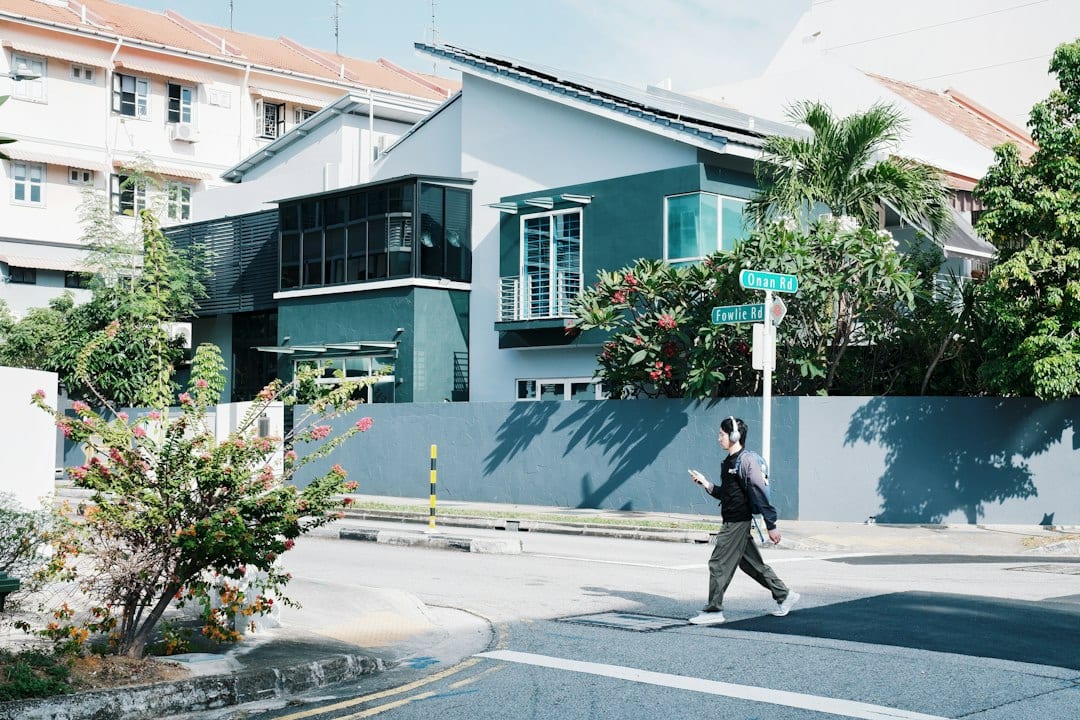
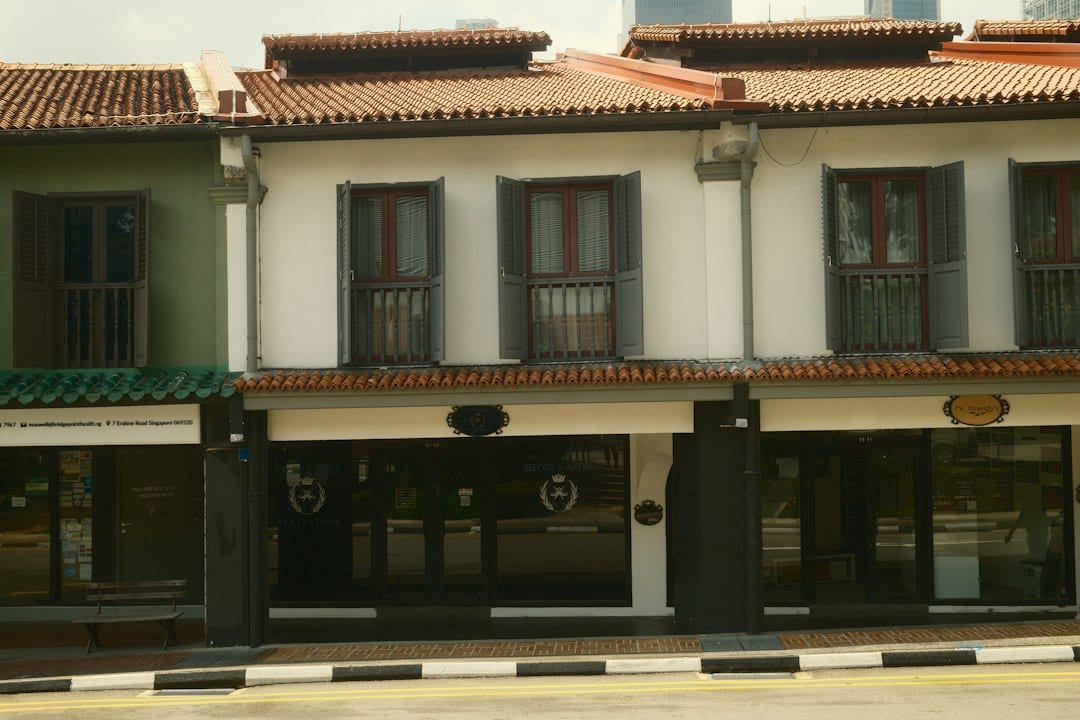
Images are for inspiration only and do not represent actual transactions or listings marketed by CK Yong.
Get a no-obligation feasibility chat, comparable land PSF data and a realistic timeline/cost overview.
Quick answers on approvals, timelines and financing. For case-specific advice, speak to CK Yong or a qualified professional.
Yes. A full rebuild generally requires planning and building plan approvals from URA and BCA before demolition or construction begins. Source: URA / BCA, Q4 2026.
Ownership alone does not guarantee an immediate rebuild. You still need URA and BCA approvals, and must comply with lease/tenure terms and any strata or estate restrictions.
Additions & Alterations (A&A) retain the existing structural frame. Reconstruction is effectively a rebuild: the existing house is demolished and a new one is erected.
A typical rebuild in Kovan takes roughly 12–18 months from design to move-in, depending on approval timelines, contractor selection and site conditions.
CPF savings are generally for property purchase rather than construction or rebuild costs. Check the latest CPF Board and bank guidelines for your situation. Source: CPF Board.
Additional Buyer’s Stamp Duty may apply based on your residency status and property count. Refer to IRAS prevailing ABSD rates as of Q4 2026 and consult a tax professional. Source: IRAS.
Tell us what you are considering. CK Yong will reply with a no-obligation feasibility chat and next steps.
Your details are used only to respond to your enquiry.